Tracing Player Progression Through Layered Incentives in Online Card Gaming Systems
Mia Zimmermann · Oct 18, 2026
Tracing Player Progression Through Layered Incentives in Online Card Gaming Systems
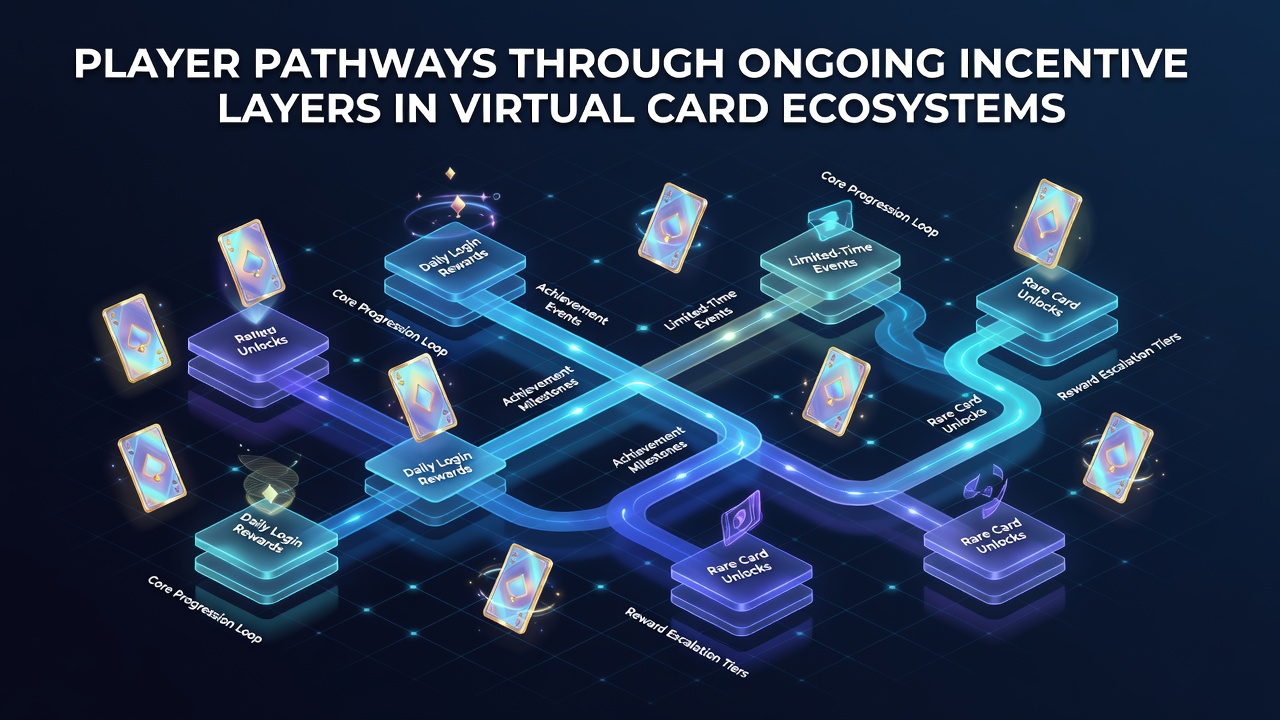
Virtual card ecosystems have developed intricate systems that guide participants from initial engagement to sustained involvement, and these structures rely on multiple incentive layers that activate at different stages of activity. Data from industry reports show that players encounter welcome sequences first, then move into recurring reward cycles that adjust based on participation volume and game selection.
Initial Entry Points and Early Incentive Activation
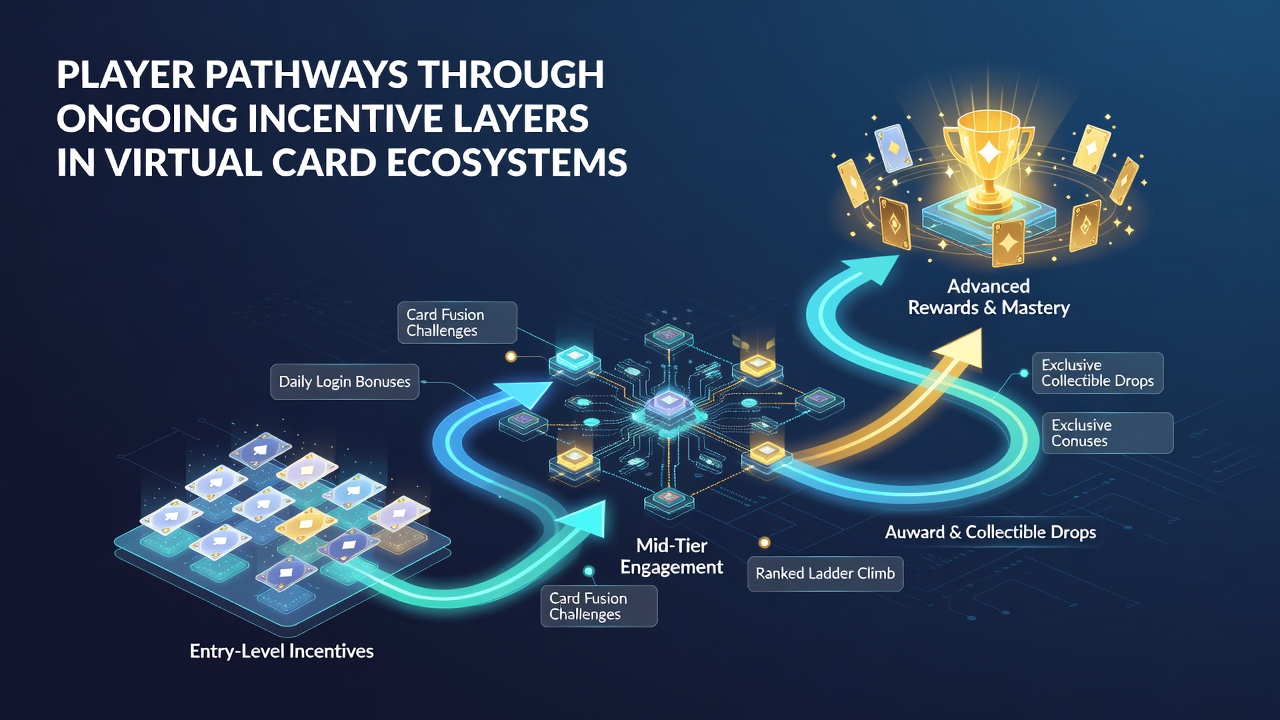
Platforms structure entry through tiered onboarding sequences that combine deposit matches with free play credits, yet these early layers quickly transition into ongoing mechanisms designed to retain activity over months rather than weeks. Observers note that once participants complete the welcome phase, systems shift emphasis toward loyalty points that accumulate across card variants, including blackjack, poker, and baccarat formats.
Research indicates these points convert into tangible benefits at predictable intervals, creating clear milestones that encourage continued logins and session extensions. Studies from the University of Nevada's International Gaming Institute reveal that players who reach the second tier within thirty days demonstrate higher retention rates compared to those who remain at entry level.
Recurring Reward Cycles and Behavioral Mapping
Ongoing incentive layers operate through synchronized calendars that align with game variant availability and platform updates, and these cycles often refresh on monthly or quarterly schedules to maintain engagement momentum. Platforms track play patterns to adjust reward density, offering cashback percentages that scale with total volume while also introducing time-limited challenges tied to specific card tables.
One analysis of aggregated performance data found that participants who engage with recurring tournament structures show distinct progression paths compared to those focused solely on cash game incentives. The pathways diverge further when platforms introduce hybrid rewards that combine leaderboard rankings with personalized bonus multipliers based on historical activity.
October 2026 Platform Adjustments and Regional Variations
Updates rolled out across several major operators in October 2026 introduced new synchronization features that link mobile app notifications directly to incentive availability windows, allowing players to receive alerts about upcoming reward layers before they activate. These changes reflect broader industry movement toward dynamic systems that respond to real-time participation data rather than static schedules.
Regulatory bodies in multiple jurisdictions have begun examining how such layered structures influence player decision-making, and reports from the Australian Communications and Media Authority highlight similar patterns emerging in licensed digital card environments. Platforms operating in these regions must now document how incentive sequences map to different player segments, including those who favor high-frequency short sessions versus extended play periods.
Interface Design and Segment-Specific Engagement
Interface components play a measurable role in directing users through these incentive layers, with dashboard layouts that highlight pending rewards and progress bars that visualize pathway completion. Data shows that players who interact with personalized progress trackers complete more incentive milestones than those who navigate without such visual cues.
Industry organizations such as the European Gaming and Betting Association have compiled figures indicating that segmented reward presentations, tailored by game preference and session length, produce measurable differences in how pathways unfold across user groups. These presentations often integrate with live dealer streams, where bonus triggers appear alongside table information without disrupting core gameplay.
Conclusion
Player pathways through ongoing incentive layers continue to evolve as platforms refine synchronization between reward cycles, game variants, and user interface elements. Evidence from performance data and regulatory reviews demonstrates that these structures shape participation patterns in measurable ways, and operators adjust parameters regularly to align with both player behavior and compliance requirements across regions. The resulting ecosystems present clear sequences that participants follow from entry through sustained engagement, supported by layered incentives that activate at consistent intervals.